That Trendy Neighborhood You're Eyeing Has Probably Already Changed
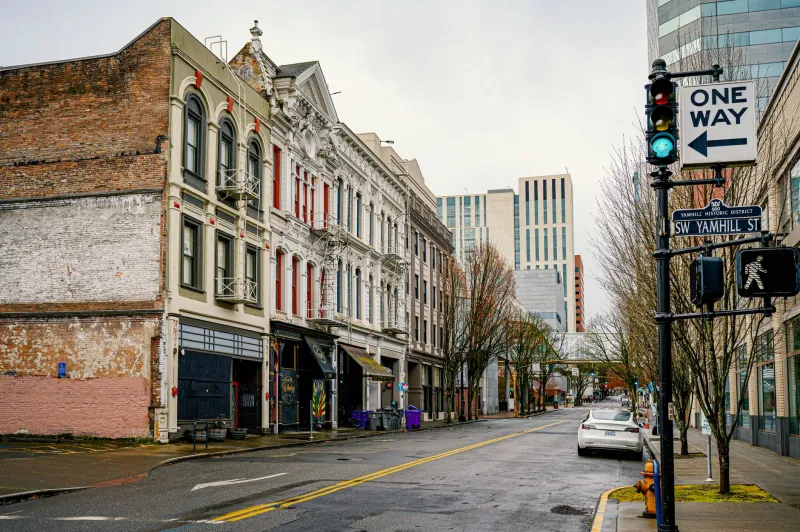
The Brooklyn That No Longer Exists
Walk through Williamsburg today and you'll find luxury condos where dive bars used to be, artisanal coffee shops replacing bodegas, and yoga studios in former auto repair shops. Yet real estate listings still describe it as an "up-and-coming arts district" — a description that was accurate in 2005.
This disconnect between perception and reality plays out in neighborhoods across America. Buyers research an area based on articles written years ago, reviews from former residents, or that one friend who lived there "back in the day." They're essentially buying into a place that no longer exists.
Why Neighborhood Reputations Lag Behind Reality
Neighborhood change happens faster than our collective memory updates. The hip coffee shop that put a district "on the map" might have closed two years ago, but people still reference it when describing the area. The young professionals who gave a neighborhood its energy may have been priced out, replaced by families or empty nesters with completely different lifestyles.
Real estate websites compound this problem by recycling old descriptions. Many listing platforms update their neighborhood profiles sporadically, if at all. A description of a "vibrant nightlife scene" might persist long after the bars have been replaced by chain restaurants.
Urban planners call this "temporal displacement" — when our mental map of a place reflects a previous era rather than current conditions. It's particularly common in rapidly changing cities where gentrification, rezoning, or economic shifts transform areas within just a few years.
The Signs Everyone Misses
Smart buyers look beyond reputation to identify actual neighborhood trends. Construction permits tell you more about future character than Yelp reviews. If luxury apartments are going up on every corner, that "affordable artist enclave" won't stay affordable much longer.
Local business licenses reveal transition patterns too. When vintage shops get replaced by chain stores, when dive bars become wine bars, when hardware stores become boutiques — these signal fundamental demographic shifts that will reshape daily life in the area.
Parking patterns matter more than most buyers realize. If street parking has become impossible in the last two years, that suggests rapid population growth that will affect everything from commute times to grocery store crowds.
The Moving Target Problem
Here's what makes this particularly tricky: neighborhoods don't just change, they change direction. An area might gentrify rapidly for five years, then hit a plateau. A family-friendly district might become a nightlife destination as demographics shift. A quiet residential street might become a commercial corridor due to zoning changes.
Buyers often assume they can predict these changes, but neighborhood evolution is notoriously unpredictable. The craft brewery that anchors a hip district might close, taking the entire scene with it. The school that makes a neighborhood family-friendly might lose funding and families might flee.
What Actually Matters for Your Decision
Instead of chasing yesterday's neighborhood character, focus on structural factors that indicate tomorrow's reality. Look at public transportation investments — new subway stops or bus routes reshape areas dramatically. Check municipal development plans, which often signal where a city wants growth to happen.
Talk to current residents, not former ones. The person who lived there three years ago experienced a different neighborhood than you'll encounter. Recent arrivals can tell you about current challenges: noise, parking, safety, or services that weren't issues in the area's previous incarnation.
Pay attention to retail turnover rates. If storefronts change hands frequently, that suggests an unstable commercial environment that will affect daily convenience and community character.
The Real Cost of Buying Into the Past
When you purchase based on outdated neighborhood impressions, you're essentially gambling on a place that might not exist anymore. You might pay a premium for "artistic character" in an area that's become completely corporate. You might choose a "quiet family neighborhood" that's actually becoming a college party district.
This isn't just about lifestyle disappointment — it affects property values too. If you buy into a neighborhood based on its previous identity, you might find yourself trying to sell in a market that no longer values what you paid extra for.
The Bottom Line
Neighborhoods are moving targets, not fixed destinations. The trendy area you read about online might have already evolved into something completely different. The family-friendly street your realtor described might be mid-transformation into something else entirely.
Before you buy, investigate the neighborhood that exists today, not the one that existed when those articles were written or when your friend lived there. Because by the time you move in, even today's version might already be yesterday's news.