The Square Footage on Your Home Listing Could Be Off by Hundreds of Feet
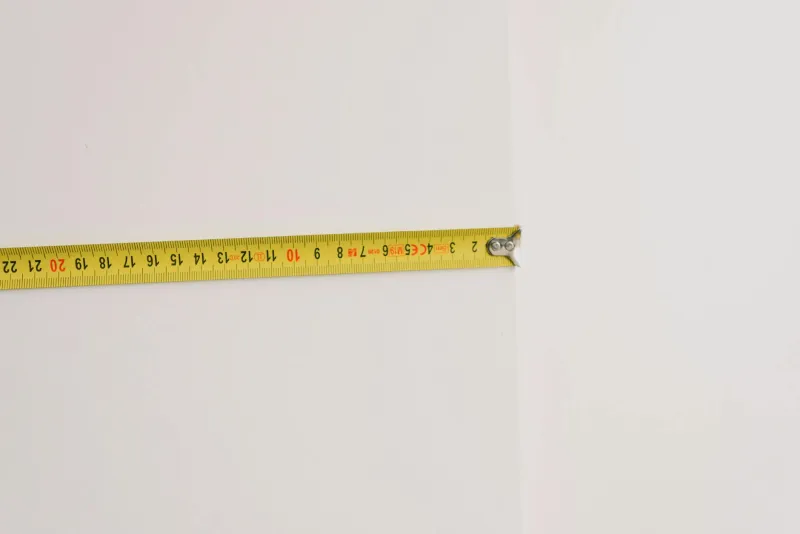
When you see "2,200 sq ft" on a real estate listing, you probably assume someone took precise measurements and calculated exactly how much livable space you're getting for your money. That assumption could cost you thousands of dollars and leave you wondering why your new home feels so much smaller than advertised.
There's No Official Rulebook for Measuring Homes
Here's what most buyers don't realize: there is no federal law, and very few state laws, dictating how residential square footage must be calculated. The number you see on listings comes from a patchwork of different measurement methods, professional standards, and sometimes just educated guesses.
Some real estate agents measure from the exterior walls. Others measure interior wall-to-wall. Some include garages, covered patios, and unfinished basements in their calculations. Others don't. A few states require licensed appraisers to provide square footage measurements, but most rely on whatever number the listing agent provides.
This means two identical homes could be listed with dramatically different square footages depending on who did the measuring and what method they used.
The Garage Problem Nobody Talks About
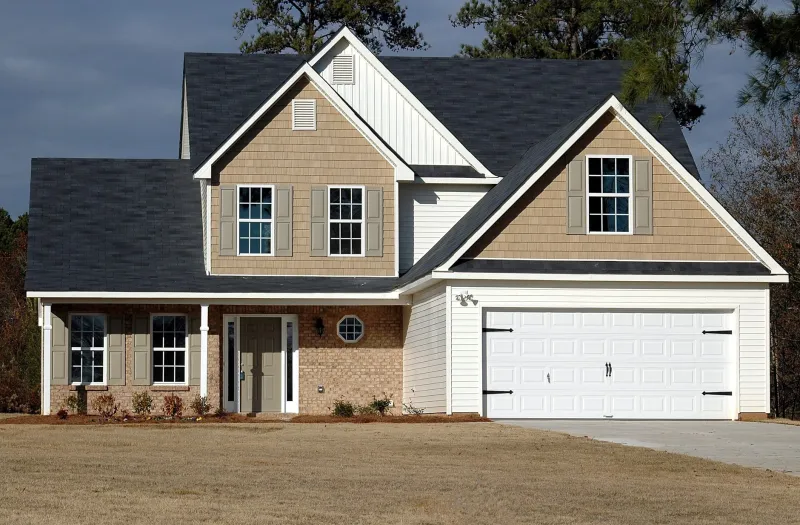
One of the biggest sources of confusion involves attached garages. In some areas, agents routinely include garage space in the total square footage calculation, even though you can't legally live in a garage. A 400-square-foot two-car garage can make a 1,800-square-foot home appear to be 2,200 square feet.
Unfinished basements create similar problems. Some measurement methods count them at full value, others at half value, and some exclude them entirely. Buyers touring a home listed at 2,500 square feet might find that 600 of those feet are in a concrete basement that would cost tens of thousands to finish.
Even ceiling height matters. Rooms with slanted ceilings under 7 feet might or might not count toward square footage, depending on local practices. That cozy attic bedroom could be padding the numbers without adding much usable space.
Why the Confusion Persists
The measurement inconsistency continues because it serves several parties' interests. Sellers want their homes to appear as large as possible. Listing agents want attractive numbers that generate interest. Buyers focus on price per square foot as a comparison tool, so agents have incentives to maximize the denominator.
Most importantly, buyers rarely question the square footage until after they've moved in. By then, the sale is complete and the measurement discrepancy becomes someone else's problem.
The real estate industry also benefits from keeping this process somewhat mysterious. If buyers understood how arbitrary these measurements could be, they might demand more standardization or focus less on square footage as a primary decision factor.
What You Should Ask Instead
Rather than trusting the listed square footage, ask specific questions about how it was calculated. Request to see the measurement documentation. Ask whether garages, basements, patios, or other spaces are included in the total.
Better yet, focus on the spaces that matter to your daily life. How many bedrooms do you actually need? Is the kitchen large enough for your family? Does the living room accommodate your furniture? These practical considerations matter more than whether you're getting exactly 2,200 or 2,050 square feet.
Some buyers hire independent appraisers to verify square footage before closing, especially on expensive homes where a few hundred feet could represent thousands of dollars in value.
The Real Cost of Fuzzy Math
When you're comparing homes based on price per square foot, measurement inconsistencies can lead you toward properties that appear to offer better value but actually provide less livable space. A home listed at $200 per square foot might actually cost $235 per square foot when you exclude the garage and unfinished areas.
This isn't necessarily fraud – most agents aren't intentionally misleading buyers. They're working within a system that has never established clear, universal measurement standards. But the result is the same: buyers making major financial decisions based on numbers that might not mean what they think they mean.
The next time you see square footage on a listing, remember that it's more of an estimate than a precise measurement. Focus on the space you can actually use, and don't be afraid to ask how that impressive number was calculated. Your wallet will thank you.