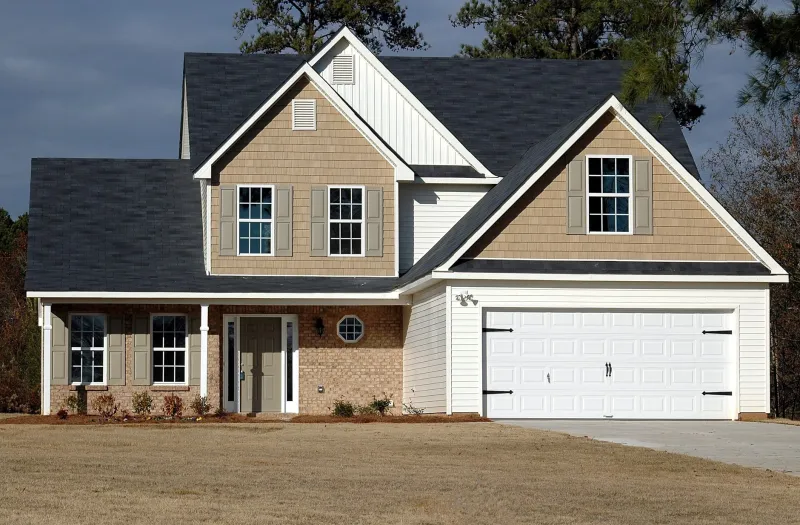
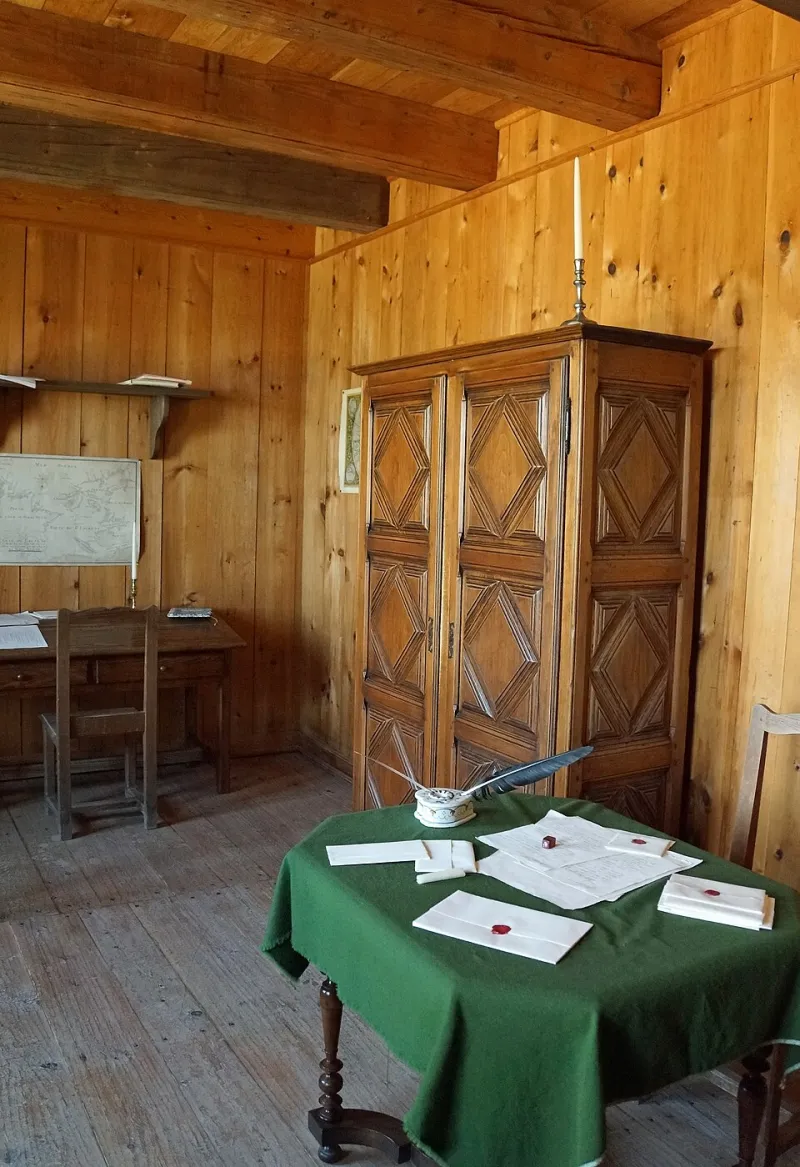
Why Every Open House Feels Like a Stage Production — Because It Actually Is
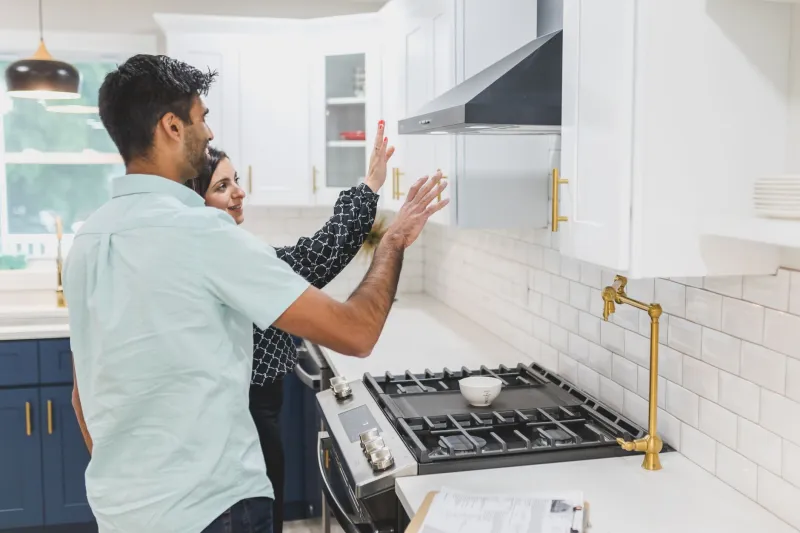
The Vanilla Candles Aren't an Accident
Walk into any open house on a Sunday afternoon, and you'll notice the same thing: everything feels just a little too perfect. The lighting hits every corner just right, there's a subtle scent in the air, and soft jazz plays in the background. You might think the homeowners are naturally gifted at creating ambiance, but here's what's really happening — you've stepped into a carefully orchestrated sales environment where every sensory detail has been planned to influence your emotions.
Real estate agents and home staging professionals have turned open houses into theatrical productions. That vanilla candle burning in the kitchen? It's not the seller's favorite scent. It's because vanilla triggers feelings of warmth and home according to environmental psychology research. The classical music playing softly in the living room isn't the homeowner's playlist — it's been chosen because studies show it makes spaces feel more upscale and sophisticated.
Creating Social Proof Through Crowd Psychology
The timing of open houses isn't random either. Agents deliberately schedule them during peak hours when multiple groups of potential buyers will overlap. When you see other couples taking notes and discussing square footage, it creates what marketers call social proof — the psychological phenomenon where we assume something must be valuable because other people want it.
This is why agents often mention other offers or interested parties during casual conversation. "We've had a lot of interest in this property" isn't just small talk — it's a sales technique designed to make you feel like you need to act quickly or risk losing out.
The Strategic Placement of Everything
Notice how furniture is arranged in open houses? Professional stagers don't just make rooms look pretty — they create what's called "flow patterns" that guide visitors through the home in a specific sequence. They want you to see the best features first and save any potential concerns for last, when you're already emotionally invested.
Mirrors appear in strategic locations to make rooms feel larger. Fresh flowers sit on dining tables to suggest the lifestyle that comes with the home. Even the books on shelves are chosen to appeal to the target demographic — you'll find different titles in a downtown condo versus a suburban family home.
What Buyers Should Actually Be Doing
While you're admiring the perfectly staged living room, you're probably not thinking about the furnace, the roof, or the electrical system. Open houses are designed to sell dreams, not provide practical information about the property's condition or true value.
Smart buyers treat open houses as initial reconnaissance, not serious evaluation opportunities. Use them to get a feel for the layout and neighborhood, but schedule a private showing for any property you're genuinely considering. During a private tour, you can take your time, ask detailed questions, and examine things like storage space, natural light at different times of day, and potential maintenance issues without the pressure of crowds and staging.
The Business Logic Behind the Theater
From the agent's perspective, open houses serve multiple purposes beyond selling a single property. They're lead generation events where agents can meet potential clients, gather contact information, and build their pipeline of future business. The elaborate staging investment pays off because it helps establish the agent's reputation for presentation and marketing skills.
Real estate professionals know that most homes don't actually sell to open house visitors — statistics show that less than 10% of homes sell to someone who first saw the property at an open house. But the events create buzz, generate interest, and often lead to bidding wars that drive up final sale prices.
The Real Cost of Emotional Decision Making
The most expensive part of the open house experience isn't the staging or the marketing — it's the rushed decisions buyers make under emotional influence. When you fall in love with a property during a perfectly orchestrated tour, you're more likely to overlook red flags, skip important inspections, or make offers above asking price.
The next time you walk through an open house, remember that you're not just viewing a home — you're experiencing a sales presentation designed by professionals who understand exactly how to influence your emotions and decision-making process. Enjoy the theater, but make your actual housing decisions based on facts, finances, and careful evaluation away from the vanilla candles and background music.