The Planning Rule That Quietly Designed Most American Cities — Without a Public Vote

Photo: PattayaPatrol, CC BY-SA 4.0, via Wikimedia Commons
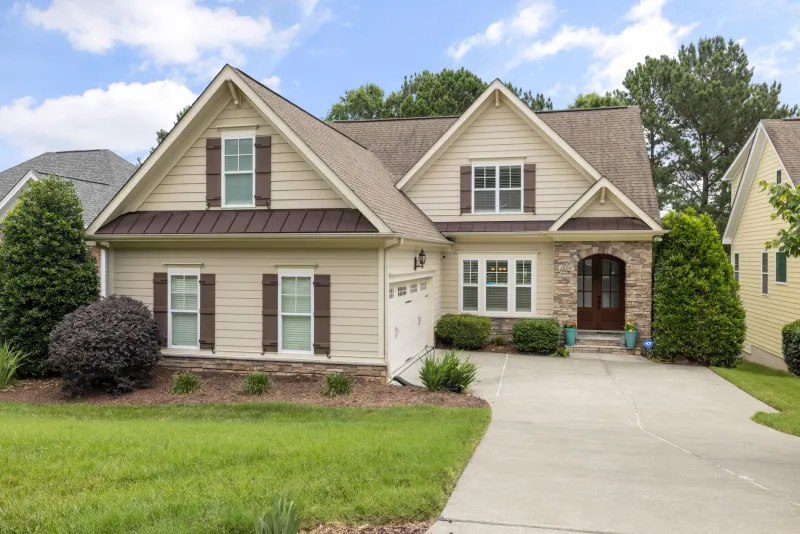
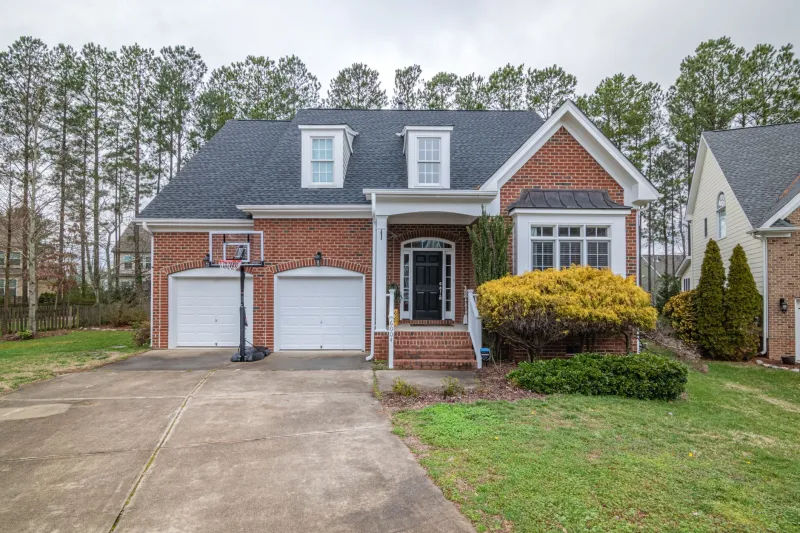
Look at almost any American suburb — the detached houses set back from the street, the attached garages, the lawns stretching between neighbors — and you're looking at the physical product of a single land-use rule most residents couldn't name. It didn't come from a national debate or a referendum. It spread quietly, copied from city to city, and it ended up shaping not just where Americans live but who gets to live where.
The rule is called single-family zoning, and it's one of the most consequential planning decisions in American history that almost nobody made a conscious choice to adopt.
How Zoning Works — and Why Most People Never Think About It
Zoning is the system local governments use to regulate how land can be used. It divides a city or county into zones — residential, commercial, industrial — and then sets rules within each zone about what can be built, how tall, how close to the street, how many units on a lot.
For most Americans, zoning is invisible. It operates in the background of property ownership, shaping what your neighbor can do with their land, what a developer can build down the block, and what the neighborhood you live in is allowed to become. Unless you're applying for a permit or fighting a proposed development, you probably never encounter it directly.
Single-family zoning — sometimes called R1 zoning — is the designation that restricts land use to one detached housing unit per lot. No duplexes. No apartments. No townhomes. One house, one lot. In many American cities, this designation covers the majority of residential land. In Los Angeles, it has historically covered around 75% of the city's residential area. In cities like Minneapolis and Seattle, the figure has been similar.
 Photo: Los Angeles, via www.discoverlosangeles.com
Where It Came From
The story of single-family zoning starts in the early 20th century, in a period when American cities were rapidly industrializing and local governments were scrambling to manage growth. The first comprehensive zoning code in the United States was adopted in New York City in 1916, and it was primarily aimed at keeping industrial uses away from residential ones — a reasonable enough goal.
 Photo: New York City, via cdn.pixabay.com
But the idea spread quickly, and as it spread, it picked up additional purposes. In 1926, the Supreme Court upheld zoning as constitutional in a case called Village of Euclid v. Ambler Realty Co., giving cities the legal green light to regulate land use comprehensively. The federal government then actively encouraged cities to adopt zoning codes by tying planning requirements to federal funding and providing model ordinances that municipalities could simply adopt wholesale.
That's largely how it worked. City after city copied a template. The template included single-family zoning as a baseline category, and it became the default. There was no grand national debate about whether this was the right way to organize American neighborhoods. It was a bureaucratic adoption process that moved faster than public deliberation.
The Part That Gets Uncomfortable
Single-family zoning was never purely a neutral planning tool. From the beginning, it was used — explicitly and implicitly — to enforce racial and economic segregation.
After the Supreme Court struck down explicit racial zoning ordinances in 1917, single-family zoning became one of the available substitutes. By restricting neighborhoods to expensive detached single-family homes, cities could effectively exclude lower-income residents and, given the economic realities of the era, racial minorities. Some early zoning advocates were explicit about this intent in their public statements. The connection between exclusionary zoning and racial segregation has been extensively documented by urban historians and economists.
This history doesn't mean that every R1 designation was created with discriminatory intent. But it does mean the tool has a complicated lineage that's relevant to understanding why American cities look the way they do — and why certain neighborhoods have remained economically and racially homogeneous for generations.
The Quiet Reversal Now Underway
Here's where the story takes a turn most people haven't followed: single-family zoning is being dismantled in several states, often with relatively little public awareness.
Minneapolis became the first major American city to eliminate single-family-only zoning citywide in 2018, allowing duplexes and triplexes in all residential areas. Oregon followed in 2019 with a statewide law requiring cities above a certain size to allow middle-density housing in previously single-family zones. California passed a series of laws — including SB 9, which took effect in 2022 — allowing property owners to build duplexes or split lots in single-family zones across the state. Montana, Washington, and several other states have passed or are debating similar legislation.
The arguments driving these changes are primarily about housing supply and affordability. When large portions of urban land can only contain one unit per lot, cities structurally limit how many homes can be built, which tends to push prices up. Allowing more density — even modest density, like duplexes and small apartment buildings — is increasingly seen by housing economists across the political spectrum as a necessary component of addressing housing costs.
But the debates around these changes are also touching the deeper history. Who gets to live in which neighborhoods? What do neighborhoods owe to the broader city? These aren't new questions, but zoning reform is forcing them back into public view.
What It Means for People Making Housing Decisions Now
If you own a home in a previously single-family-zoned area in a state that has passed upzoning legislation, the rules governing what can be built on your lot — or your neighbor's — may have already changed. That has potential implications for property values, neighborhood character, and what kinds of housing options become available nearby.
If you're a buyer or renter trying to understand a city's housing market, zoning is one of the least-visible but most powerful forces shaping what's available and what it costs. Understanding that most American cities were physically designed around a single rule — one adopted largely by default rather than deliberate democratic choice — is a useful starting point for understanding why housing in the US works the way it does.
The Takeaway
Single-family zoning didn't emerge from a national conversation about how Americans wanted to live. It spread through template adoption, federal encouragement, and the path of least resistance — and it reshaped the physical and social landscape of the country in the process. Most residents still don't know it exists. The fact that several states are now quietly undoing it is one of the more significant shifts in American land use in a century — and it's happening largely without the public debate that probably should have accompanied the original decision.