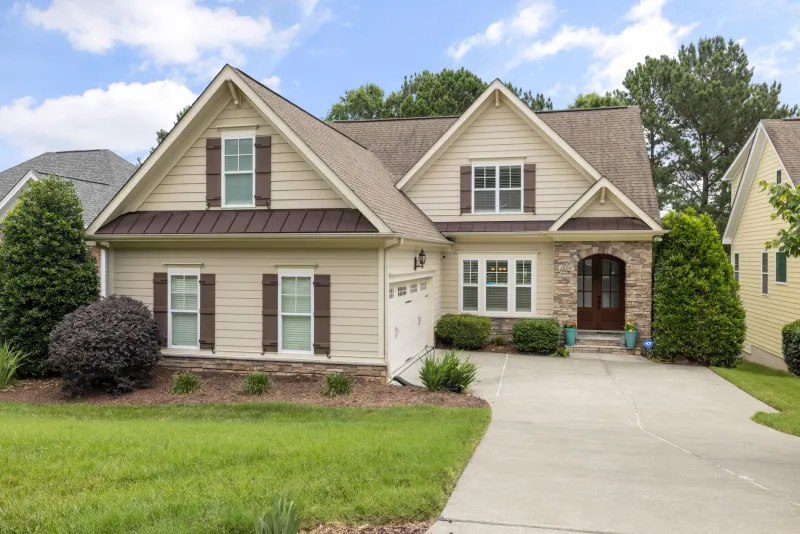
Curb Appeal Is Real — But It's Not Doing What the Home Shows Say It Does
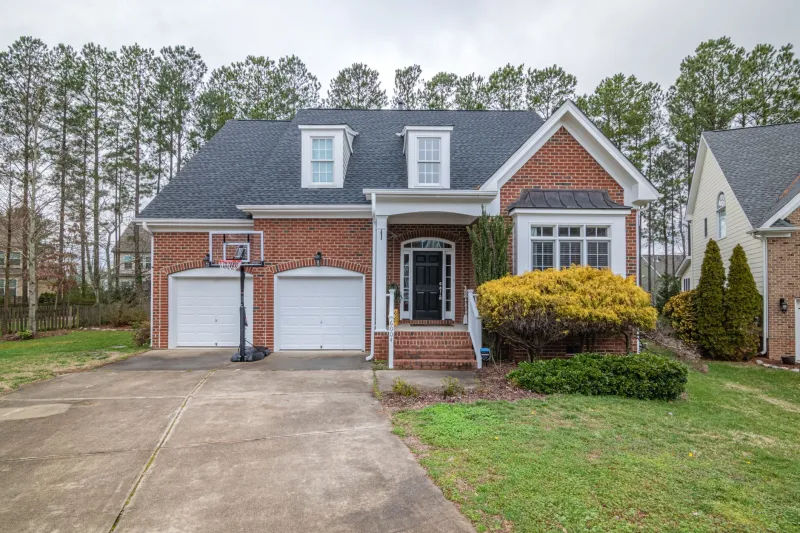
Curb Appeal Is Real — But It's Not Doing What the Home Shows Say It Does
Spend an afternoon watching home improvement television and you'll walk away with a clear picture of how real estate works: the house needs to look good from the street, or nothing else matters. Sellers repaint shutters, plant fresh flowers, pressure-wash driveways, and agonize over whether the mailbox is the right shade of black. Agents talk about 'first impressions' like they're the whole game.
Curb appeal is one of those concepts that has been repeated so many times it stopped being a strategy and became a law. A given. The kind of advice that nobody questions because it seems so obviously correct.
But research into how buyers actually make purchase decisions tells a more complicated story — and if you're about to spend $15,000 on landscaping before listing your home, it's worth hearing.
The Claim That Started It All
The idea that a home's exterior appearance significantly drives its sale price and time on market has been a fixture of real estate advice since at least the 1980s. The logic is intuitive: humans form impressions quickly, and those impressions stick. If a buyer pulls up to a house and feels a sinking sensation, they're already looking for reasons to walk away.
That part is true. First impressions do shape the emotional frame through which buyers evaluate everything that follows. But here's where the conventional wisdom overshoots: it assumes that negative first impressions are durable, and that positive ones translate directly into price.
Neither of those assumptions holds up particularly well under scrutiny.
What Happens When Buyers Walk Inside
Studies examining buyer behavior during home tours consistently find that interior conditions override exterior impressions far more powerfully than the curb appeal narrative suggests.
A 2019 analysis by researchers looking at real estate decision-making found that buyers who reported a neutral or even negative reaction to a home's exterior routinely reversed their assessment after seeing a well-maintained, functional interior. The inverse was also true — attractive curb appeal couldn't save a home with a dated kitchen, a confusing layout, or visible maintenance issues inside.
This isn't shocking when you think about it. People don't live on the front lawn. They cook in the kitchen, sleep in the bedrooms, and spend their evenings in the living room. The emotional weight of those spaces — whether they feel livable, comfortable, and worth the price — consistently outpaces whatever reaction the driveway triggered.
Buyers know this about themselves, too, at least in retrospect. When asked what drove their final decision, they point to kitchens, bathrooms, natural light, storage, and floor plans. Almost nobody cites the flower beds.
How the Media Made Curb Appeal a Religion
If curb appeal's actual influence on purchase decisions is more limited than advertised, why does it dominate so much of the conversation?
The answer has a lot to do with what makes good television. Home renovation shows need a visual payoff, and nothing delivers that more cleanly than a before-and-after exterior transformation. The house looks run-down, then it looks beautiful, and the reveal is satisfying in a way that 'we replaced the HVAC and updated the electrical panel' simply isn't.
Over decades, this format trained viewers to associate visible, surface-level improvements with value creation. It made cosmetic upgrades feel consequential in a way that matched the drama of the medium. The home improvement industry — paint manufacturers, landscaping companies, pressure-washing services — had every incentive to reinforce that message.
Real estate listing culture contributed too. When a home is photographed for a listing, the exterior shot is almost always first. Buyers scroll through dozens of homes online before visiting a single one, and agents and photographers work hard to make that first image pop. The exterior photo has become the digital equivalent of curb appeal — a filter that determines whether a buyer clicks through or keeps scrolling.
But clicking through and buying are very different decisions, made at very different emotional moments.
What Actually Drives the Final Number
So if curb appeal isn't carrying the weight everyone says it is, what is?
Research and agent experience point consistently to a few categories:
Kitchen and bathroom condition. These rooms have an outsized influence on perceived value and buyer emotion. An updated kitchen can shift a buyer's price ceiling more than almost any exterior improvement.
Structural and mechanical transparency. Buyers who feel confident that a home has been maintained — visible evidence of a newer roof, updated systems, clean inspection reports — are more likely to offer close to asking price without negotiating aggressively downward.
Layout and flow. How a home feels to move through matters enormously. Open, logical floor plans read as more valuable even when square footage is identical to a more fragmented layout.
Smell and light. These are embarrassingly primal, but they're real. Homes that smell clean and feel bright consistently receive better buyer feedback regardless of their exterior presentation.
None of these are as photogenic as a freshly painted porch. But they're what buyers are actually responding to when they make the biggest financial decision of their lives.
Does Curb Appeal Matter at All?
To be fair: yes, it does matter — just not uniformly and not in isolation.
A home that looks genuinely neglected from the street can create an anxiety that follows buyers inside, making them scrutinize everything more closely. And in competitive markets where multiple comparable homes are available, exterior presentation can be a meaningful tiebreaker.
But the return on investment for curb appeal improvements varies wildly. Basic maintenance — cleaning gutters, mowing the lawn, repainting a peeling front door — is almost always worth doing and costs relatively little. Major landscaping overhauls, elaborate exterior renovations, or luxury hardscaping projects rarely recoup their full cost at sale.
The Takeaway
Curb appeal is a real factor in real estate, but it's been inflated by television, listing culture, and an industry that profits from cosmetic upgrades. Buyers override their initial visual reactions more often than the conventional wisdom admits, and the factors that actually close sales happen indoors. Before you spend the weekend re-landscaping the front yard, it might be worth asking whether that money would do more work in the kitchen.