The Private Backyard Is Peak American Weirdness—and Most of the World Knows It
Your Yard Obsession Confuses the Rest of the Planet
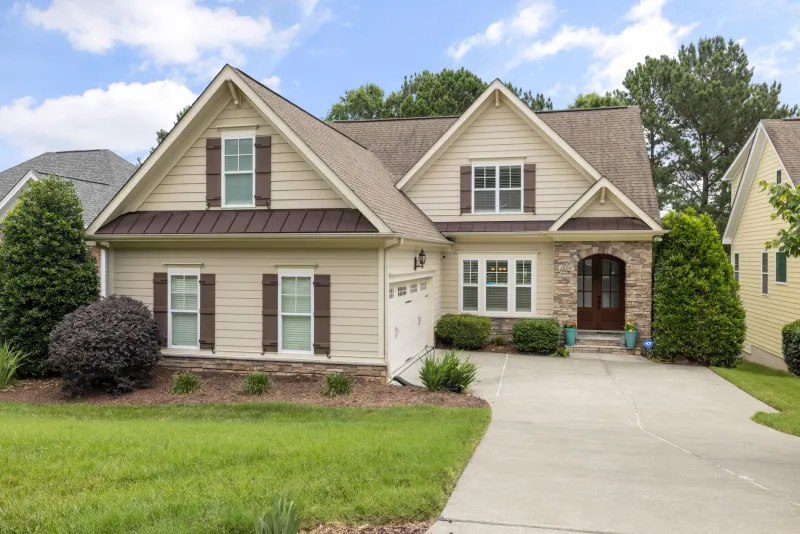
Ask any American homebuyer what they're looking for, and "a nice yard" usually makes the top three. We talk about yards like they're essential life infrastructure—as fundamental as plumbing or electricity. The assumption runs so deep that most buyers don't even question it: of course you need outdoor space, and of course it should be privately yours, and of course it should be grass.
Except this isn't actually normal. Most of the world thinks Americans are absolutely bonkers about yards.
Travel anywhere outside suburban America, and you'll find families living perfectly happy lives without private outdoor rectangles. Dense European cities offer shared parks and plazas. Asian urban centers prioritize community courtyards over individual plots. Even wealthy neighborhoods in most countries treat private yards as luxury amenities rather than basic requirements.
The American yard obsession is peak cultural weirdness—and it's costing us way more than we realize.
How We Convinced Ourselves Grass Equals Freedom
The private yard wasn't always part of the American Dream. Before World War II, most Americans lived in cities, often in apartments or rowhouses with minimal outdoor space. Shared public parks, stoops, and neighborhood streets served as communal outdoor areas where kids played and neighbors socialized.
Then came the 1940s housing boom, fueled by government subsidies, cheap suburban land, and a massive marketing campaign that sold yards as symbols of success and independence. The Federal Housing Administration prioritized loans for single-family homes with private outdoor space, while the GI Bill made suburban homeownership accessible to millions of returning veterans.
 Photo: GI Bill, via i0.wp.com
 Photo: Federal Housing Administration, via upload.wikimedia.org
Real estate developers weren't stupid—they realized they could charge more for houses with yards than for equivalent indoor square footage. A modest three-bedroom house suddenly became a "four-bedroom with outdoor entertaining space." Marketing materials from the 1950s literally sold yards as "private parks for your family."
The car-dependent suburban model made yards seem practical, too. If you're already driving everywhere and living far from neighbors, why not have your own outdoor space? The logic made sense within the system—but the system itself was the weird part.
What Americans Actually Do With All That Grass
Here's the uncomfortable truth: most American yards don't get used the way we imagine they will.
Studies of suburban behavior show that families spend remarkably little time in their private outdoor space. Kids prefer organized activities to backyard play. Adults use yards primarily for maintenance—mowing, watering, weeding—rather than relaxation. The outdoor entertaining that justified larger lots happens maybe a few times per year.
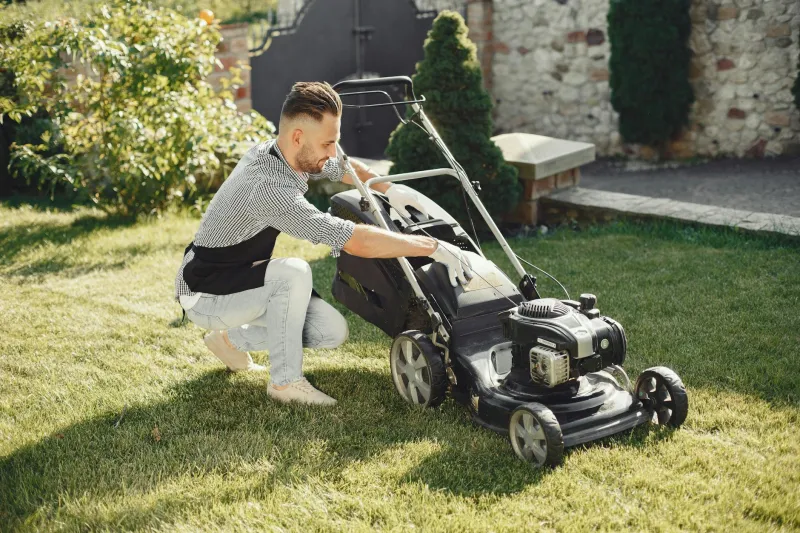
Meanwhile, the maintenance costs are bonkers. Americans spend over $40 billion annually on lawn care, plus countless hours of labor that could be spent on literally anything else. We're essentially paying for the privilege of doing weekend yard work that most of us don't particularly enjoy.
The environmental costs are even weirder. American lawns consume more water than corn and wheat combined. We dump millions of pounds of fertilizer and pesticides on grass that exists primarily to be looked at. From an outside perspective, it's like we're running outdoor carpet factories that require constant chemical inputs.
Why the Rest of the World Does Outdoor Space Differently
Visit Copenhagen, and you'll find families gathering in beautiful public parks that offer amenities no private yard could match: playgrounds designed by professionals, maintained gardens, space for community events. The shared model provides better outdoor experiences than individual plots.
Japanese cities prioritize small, intensively designed private gardens that focus on beauty and contemplation rather than grass maintenance. European neighborhoods often feature shared courtyards or community gardens where residents collaborate on outdoor projects.
Even wealthy areas in other countries approach private outdoor space differently. Instead of demanding large lawns, affluent families might invest in rooftop terraces, balcony gardens, or small but beautifully designed courtyards. The focus is on quality and usability rather than sheer square footage.
The result? Families in these places often have better access to outdoor recreation, lower maintenance costs, and stronger community connections than suburban Americans with private yards.
The Hidden Costs of Yard Culture
The American yard obsession quietly inflates housing costs in ways most buyers don't calculate. Lot sizes directly impact home prices—larger yards mean higher purchase prices, property taxes, insurance, and maintenance costs. That "affordable" house with a big yard often costs significantly more over time than a smaller property with shared outdoor amenities.
Yards also lock families into car-dependent lifestyles. Houses with large lots are typically built in low-density areas far from walkable amenities. The outdoor space that's supposed to provide freedom actually reduces mobility options and increases transportation costs.
Plus, yard maintenance becomes a time sink that many families underestimate. The hours spent mowing, watering, and maintaining private outdoor space could be used for hobbies, family time, or community activities that provide more satisfaction than lawn care.
When Marketing Became Cultural Truth
The real estate industry has spent decades reinforcing yard expectations because larger lots generate higher profits. Marketing materials consistently feature families enjoying perfect outdoor spaces, even though actual usage patterns look nothing like the advertisements.
House hunters have internalized these messages so completely that many buyers reject perfectly good homes simply because the outdoor space doesn't match their yard expectations. The preference for private grass rectangles has become so automatic that alternatives—shared gardens, rooftop access, nearby parks—get dismissed without consideration.
This creates a feedback loop where builders continue designing neighborhoods around private yards because that's what buyers demand, even though the demand itself was manufactured by decades of marketing.
Rethinking Outdoor Space in America
None of this means outdoor access isn't important—it absolutely is. But the American model of private yards isn't the only way, or necessarily the best way, to provide outdoor experiences for families.
Some newer developments are experimenting with alternatives: shared community gardens, professionally maintained common areas, rooftop terraces, and pocket parks that offer outdoor amenities without the maintenance burden. These approaches often provide better outdoor experiences at lower costs than traditional private yards.
The key insight? The yard obsession that feels natural to Americans is actually a recent cultural invention that most of the world finds puzzling. Understanding that history opens up possibilities for thinking about outdoor space differently—and maybe spending less money on grass maintenance in the process.