The Basement Math That Fooled an Entire Generation of Homeowners
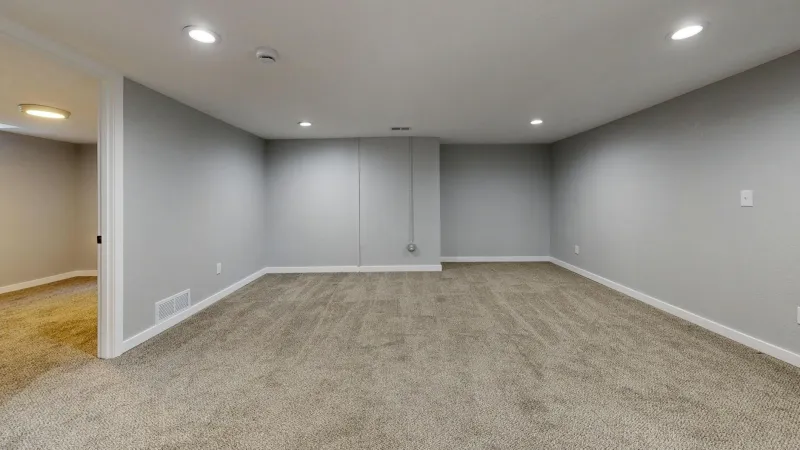
Spend any time watching home improvement television, and you'll hear it repeatedly: finishing your basement is one of the smartest investments you can make in your home. The logic seems bulletproof—you're adding livable square footage at a fraction of the cost of building an addition. More space equals more value, right?
Millions of American homeowners have operated under this assumption, turning unfinished basements into family rooms, home offices, and entertainment spaces. But there's a problem with this math that the renovation industry doesn't advertise: appraisers have never valued finished basements the same way as above-ground living space.
How Home Improvement Culture Sold Us on Basement Value
The belief that basement finishing adds significant home value didn't emerge in a vacuum. It was carefully cultivated by an entire industry that benefits from homeowners taking on these projects.
Home improvement shows consistently feature basement renovations as high-impact, budget-friendly transformations. The before-and-after reveals are dramatic—dark, cluttered storage areas become bright, functional living spaces. When hosts discuss the project's value, they typically multiply the new square footage by local price-per-square-foot averages, suggesting the renovation added $30,000-50,000 in value.
This messaging was reinforced by:
- Contractors who specialize in basement finishing
- Home improvement retailers selling basement-specific products
- Real estate agents who learned to market finished basements as additional living space
- Mortgage companies that allowed borrowers to include finished basement square footage in their loan applications
The entire ecosystem encouraged homeowners to think of basement space as equivalent to main-floor living area.
What Appraisers Actually See When They Value Basements
Professional appraisers follow guidelines established by organizations like the Appraisal Institute and government-sponsored enterprises like Fannie Mae. These standards make clear distinctions between different types of living space:
 Photo: Fannie Mae, via logos-world.net
Above-grade living area: Full value per square foot Below-grade living area: Significantly discounted value, typically 25-50% of above-grade space
This isn't arbitrary discrimination against basements. The discount reflects real limitations:
- Natural light: Even with egress windows, basement spaces receive less natural light than above-grade rooms
- Ceiling height: Most finished basements have 7-8 foot ceilings compared to 9+ feet on main floors
- Moisture concerns: Below-grade spaces are inherently more prone to humidity and water issues
- Emergency egress: Basement bedrooms require specific window sizes and configurations for safety
- Resale appeal: Many buyers view basement living space as secondary or less desirable
The Real Numbers Behind Basement ROI
When appraisers evaluate a finished basement, they typically assign value this way:
- Cost to finish: $25,000-40,000 for a basic 600-square-foot basement
- Added appraised value: $8,000-20,000
- Actual ROI: 40-60% of investment
This means homeowners who spend $35,000 finishing their basement might see their home's appraised value increase by only $15,000-18,000. The gap between cost and value addition often shocks sellers who assumed they'd recoup their full investment.
Why the Disconnect Persists
Several factors keep this misconception alive:
Marketing incentives: Everyone involved in selling basement finishing services benefits from inflated value expectations. Contractors get more projects, retailers sell more products, and real estate agents can market homes with higher total square footage.
Appraisal timing: Most homeowners don't get new appraisals immediately after finishing their basements. They discover the value disconnect years later when they try to sell or refinance.
Regional variation: In some markets with extremely high land costs (like parts of California or the Northeast), the basement discount is smaller. But these exceptions get generalized into universal advice.
Emotional value: Homeowners who enjoy their finished basements often conflate personal satisfaction with financial return. The space adds value to their daily lives, which feels like it should translate to dollar value.
The Hidden Costs That Compound the Problem
Beyond the initial finishing costs, basement living spaces often require ongoing investments that further erode ROI:
- Dehumidification: Basement spaces typically need dedicated moisture control, adding $100-200 annually to utility costs
- Separate HVAC zones: Heating and cooling basement spaces efficiently often requires system modifications
- Periodic refinishing: Basement spaces may need more frequent updates due to moisture and wear
- Insurance considerations: Some finished basement features (like bedrooms) can affect homeowner's insurance premiums
When Basement Finishing Does Make Financial Sense
This doesn't mean finishing a basement is always a bad investment. The math works better when:
- You're planning to stay long-term: If you'll use the space for 10+ years, the personal value may justify the investment regardless of resale return
- Your local market specifically values basement space: Some regions with harsh winters or high population density do assign higher value to below-grade living area
- You're doing the work yourself: DIY finishing can cut costs in half, improving the ROI calculation
- You're addressing existing problems: If your basement has moisture or structural issues anyway, finishing it as part of necessary repairs can make more sense
How Media Messaging Created False Expectations
The basement finishing myth persists partly because of how home improvement media presents renovation ROI. Shows and magazines typically:
- Compare project costs to local price-per-square-foot averages without considering space quality differences
- Feature best-case scenarios from high-value markets
- Focus on immediate visual transformation rather than long-term financial analysis
- Use "expert" opinions from industry professionals who benefit from promoting these projects
This creates a feedback loop where homeowners make decisions based on incomplete information, then share their initial enthusiasm (before discovering the appraisal reality) with friends and family.
Making Smarter Decisions About Below-Grade Space
Understanding the real math behind basement finishing helps homeowners make better decisions:
- Budget for personal value, not resale value: If you'll enjoy the space, the investment might be worthwhile even with limited financial return
- Consider alternatives: Sometimes updating existing above-grade space provides better ROI than adding basement square footage
- Get realistic appraisal estimates: Before starting a major basement project, ask a local appraiser what finished below-grade space typically adds to home values in your area
- Factor in all costs: Include ongoing maintenance, utilities, and potential insurance changes in your financial analysis
The American belief that finishing a basement adds dollar-for-dollar value to a home represents one of the most persistent myths in real estate. It survives because an entire industry benefits from promoting it, and homeowners don't typically discover the truth until years after they've made the investment.
Understanding the real appraisal math doesn't mean avoiding basement projects—it means making informed decisions based on accurate expectations rather than renovation industry marketing.