America's Obsession with Dead-End Streets Started as a Real Estate Trick
The Dead End That Launched a Thousand Subdivisions
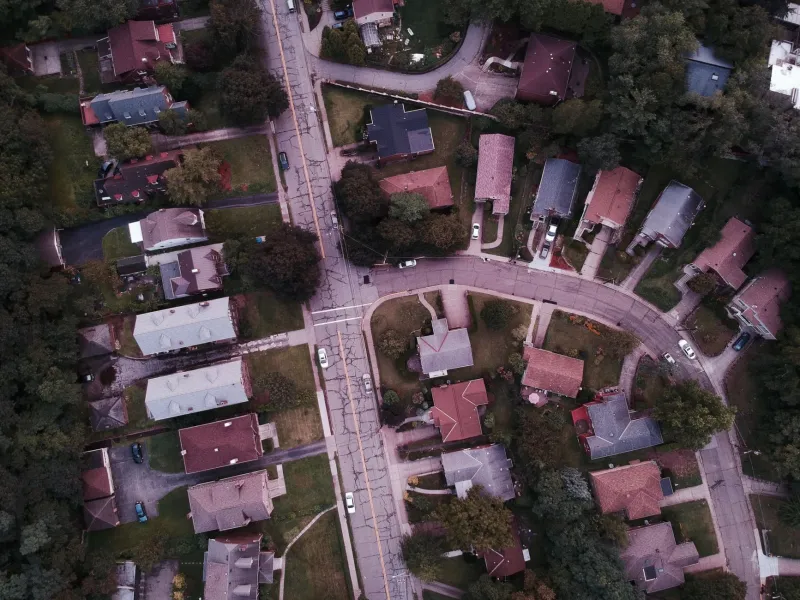
Drive through any American suburb built after 1950, and you'll see them everywhere: those distinctive circular dead-end streets that have become synonymous with quiet family life. Parents specifically seek out cul-de-sacs because they believe they're safer for children. Real estate listings highlight them as premium features. But here's the thing nobody talks about — the cul-de-sac explosion wasn't driven by safety concerns. It was a brilliant solution to a geometric problem that developers faced when trying to maximize profits from irregularly shaped land.
The story of how dead-end streets became America's suburban ideal reveals how real estate marketing can transform a practical building technique into a cultural symbol of the good life.
When Grid Streets Hit Geographic Reality
Before World War II, most American neighborhoods followed the grid pattern inherited from colonial city planning. Straight streets intersecting at right angles made sense for flat, rectangular parcels of land. But as suburban development exploded in the 1950s and developers began building on more challenging terrain — hillsides, creek beds, former farmland with irregular boundaries — the rigid grid system became a problem.
Developers discovered they were losing money on oddly shaped lots that didn't fit neatly into rectangular street grids. Hills, streams, and property line angles created awkward triangular or curved spaces that were difficult to divide into profitable house lots using traditional straight streets.
The cul-de-sac solved this puzzle elegantly. By ending streets in circles, developers could fit houses around natural obstacles, follow the contours of hills, and maximize the number of sellable lots on almost any shape of land. It wasn't about creating safer communities — it was about squeezing more houses onto difficult terrain.
The Safety Story That Came Later
Once cul-de-sacs started appearing in suburban developments, the safety narrative emerged as a convenient way to market what was essentially a cost-saving measure. And to be fair, the safety claims weren't entirely wrong — dead-end streets do reduce through traffic, which can make them quieter and potentially safer for children.
But the timing tells the real story. Developers were building cul-de-sacs because they made financial sense, then discovering that families loved them for safety reasons. The marketing followed the building technique, not the other way around.
By the 1960s and 1970s, real estate advertisements routinely promoted cul-de-sac locations as premium features specifically because of their family-friendly reputation. What started as a practical building solution had transformed into a selling point that could justify higher home prices.
What Urban Planners Actually Think
While families have embraced cul-de-sacs as the pinnacle of suburban safety, urban planning professionals have spent decades documenting their drawbacks. Dead-end street networks create longer commutes, increase dependence on cars, and make it harder for emergency services to navigate neighborhoods efficiently.
Traffic engineers point out that while cul-de-sacs reduce traffic within individual streets, they often create congestion problems by forcing all neighborhood traffic onto a limited number of main roads. The same geometric efficiency that allows developers to build more houses also creates communities where simple trips require longer, more circuitous routes.
Fire departments and ambulance services have lobbied against cul-de-sac-heavy developments because dead-end streets can delay emergency response times and make it difficult for large vehicles to maneuver.
The Walkability Problem Nobody Mentions
The most significant unintended consequence of cul-de-sac design is how it affects daily life in suburban neighborhoods. When streets don't connect, walking to nearby destinations becomes impractical or impossible. Families living a few blocks apart might have to drive several miles to reach each other if their cul-de-sacs don't connect to the same main road.
This isolation effect, which urban planners call "suburban sprawl," contributes to car dependence, reduces opportunities for casual social interaction, and can make neighborhoods feel disconnected despite their reputation for fostering community.
The Cultural Legacy of a Building Technique
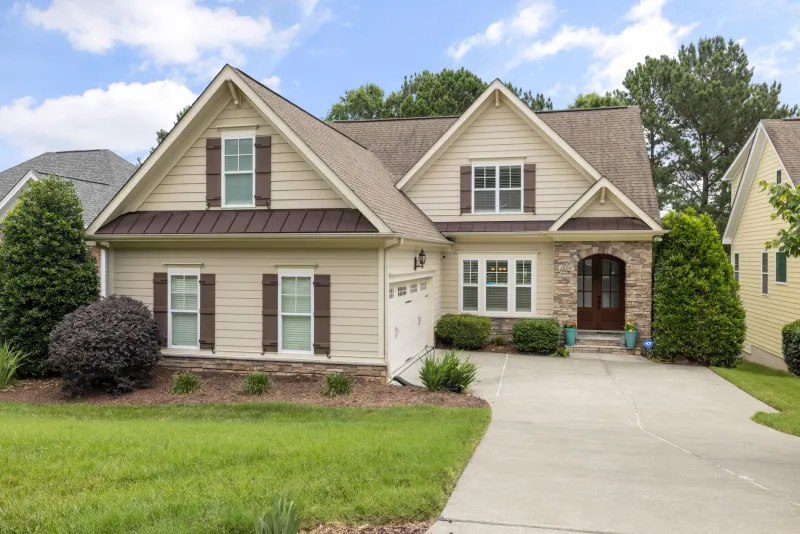
Today, the cul-de-sac remains one of the most powerful symbols in American real estate marketing. Families still actively seek them out, and their presence can significantly affect property values. The safety reputation has become so deeply embedded in American housing culture that many buyers won't even consider homes on through streets.
This is a perfect example of how real estate innovations can reshape cultural expectations. What began as a practical solution to maximize building lots on irregular land became a lifestyle preference that influences where millions of Americans choose to live.
The next time you drive through a suburban neighborhood full of dead-end streets, remember that you're looking at the physical manifestation of a clever business strategy that successfully marketed itself as a family safety feature. The cul-de-sac didn't emerge because planners prioritized child safety — it spread because developers discovered it was the most profitable way to build on awkward pieces of land.