That Peaceful Suburban Street Could Be Rezoned for Apartments Next Year
The Neighborhood Promise That Isn't Actually Promised
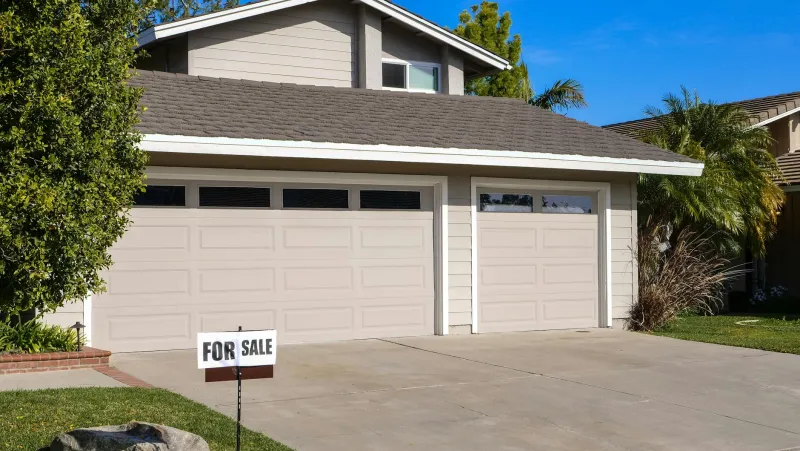
When you drive through an established suburban neighborhood—tree-lined streets, modest single-family homes, maybe a few kids on bikes—it's natural to assume this scene is permanent. Most homebuyers do exactly that, treating the current zoning as if it's written in stone. They'll pay premium prices for "established residential character" without realizing they're betting on something that could change with a single city council vote.
Here's what most people don't understand: zoning is policy, not prophecy. And policies change.
Why We Think Zoning Is Forever
The confusion starts with how we talk about neighborhoods. Real estate agents describe areas as "single-family residential" or "quiet suburban" as if these are permanent features, like geological formations. Mortgage lenders factor in "neighborhood stability" when evaluating properties. Even city planning documents often present zoning maps as if they're depicting something fixed and unchangeable.
This language creates the illusion that zoning classifications are natural characteristics of a place, rather than administrative decisions that get revisited regularly. When someone says "this is a residential neighborhood," they're really saying "this is currently zoned for residential use under the present political and economic conditions."
The distinction matters more than you might think.
How Zoning Actually Works in Practice
Most American cities review and update their comprehensive plans every 10-20 years, but individual zoning changes happen constantly. A developer can petition for a zoning variance. A city council can rezone areas to encourage economic development. State governments can override local zoning to address housing shortages.
California's recent laws allowing duplexes in single-family zones affected millions of properties overnight. Minneapolis eliminated single-family-only zoning citywide in 2018. Austin, Texas has been systematically upzoning neighborhoods near transit corridors. These aren't rare exceptions—they're part of a nationwide trend toward what planners call "gentle density."
Even without major policy shifts, individual properties get rezoned regularly. That corner house at the end of your street? If it's positioned right, it could be rezoned for commercial use when the current owners sell. The large lot two blocks over? Perfect candidate for subdivision into townhomes.
The Economic Pressure Behind Zoning Changes
Cities have powerful incentives to allow more intensive land use. Higher-density development generates more property tax revenue per acre. Mixed-use zones create jobs and reduce car dependency. When municipalities face budget pressures or housing shortages, relaxing zoning restrictions is often the most politically feasible solution.
Property owners, meanwhile, have their own incentives. If you own a single-family home on a large lot in a desirable area, getting approval to subdivide or build apartments could dramatically increase your property's value. These economic forces don't respect the aesthetic preferences of neighboring homeowners.
What This Means for Your Property Value
Contrary to what many homeowners assume, nearby zoning changes don't automatically hurt property values. Sometimes they help. A corner commercial zone might bring a coffee shop that makes the neighborhood more walkable. Gentle density increases can make an area feel more vibrant without overwhelming existing infrastructure.
But the effects are unpredictable, and that's the real issue. When you buy a home based on current neighborhood character, you're making a bet that local officials will prioritize preserving that character over other goals like housing affordability, economic development, or environmental sustainability. Sometimes that bet pays off. Sometimes it doesn't.
Reading the Signals
Smart homebuyers look beyond current zoning to understand future possibilities. Check your city's comprehensive plan—it usually indicates where officials want to encourage growth. Look for transit investments, since cities often upzone around new rail lines or bus rapid transit. Pay attention to lot sizes and development patterns, since areas with larger parcels are easier to redevelop.
Most importantly, attend a few city council meetings or planning commission hearings. You'll quickly get a sense of local political attitudes toward development and change.
The Bottom Line
That peaceful suburban street you're considering isn't guaranteed to stay peaceful or suburban. Zoning reflects current political and economic priorities, and those priorities shift over time. This doesn't mean you shouldn't buy in established neighborhoods—just that you should understand what you're actually purchasing.
You're buying a house and a piece of land, not a promise that the surrounding area will never change. The neighborhood character you're paying for today is a snapshot, not a contract. Understanding this difference might change how you think about location, property value, and what makes a good long-term investment in real estate.
The zoning map is more like a weather forecast than a geographic feature. It tells you what conditions are like right now, but it's probably going to change.