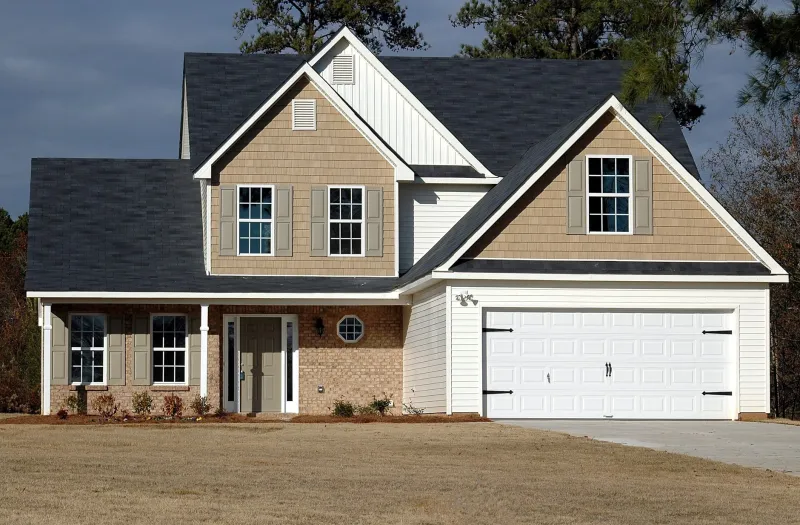
Move-In Ready Homes Hide the Expensive Problems You Actually Want to See
The Premium That Doesn't Add Up
In today's real estate market, "move-in ready" has become the golden phrase that can add tens of thousands to a home's asking price. Buyers eagerly pay premiums for the promise of skipping renovation headaches, but they often discover that someone else's idea of "ready" doesn't match their vision—and the convenience comes with hidden costs that make the math work against them.
The appeal is obvious: who wouldn't want to skip months of contractors, dust, and decision fatigue? But the reality of move-in ready properties reveals a fundamental mismatch between what buyers think they're purchasing and what sellers are actually delivering.
What Move-In Ready Really Means
Legally, "move-in ready" has no standardized definition in real estate. It's marketing language that suggests a home needs no immediate work, but the interpretation varies wildly. One seller's move-in ready might mean fresh paint and new fixtures, while another's includes updated electrical and plumbing systems.
Most commonly, move-in ready translates to cosmetic updates: neutral paint colors, modern light fixtures, updated cabinet hardware, and new flooring. These changes photograph well and create an immediate visual impact, but they often represent the cheapest possible improvements designed to maximize sale price rather than long-term functionality.
The renovations that actually matter—electrical systems, plumbing, HVAC, roofing, and foundation work—are expensive and invisible. They don't help homes show better, so they're frequently deferred in favor of the surface-level improvements that command higher prices.
The Markup You're Really Paying
When sellers invest in making a home "move-in ready," they're not doing the work at cost. They're applying a business markup to renovation expenses, often 20-50% above what the improvements actually cost. You're paying retail prices for contractor work, plus the seller's profit margin, plus the premium that comes with convenience.
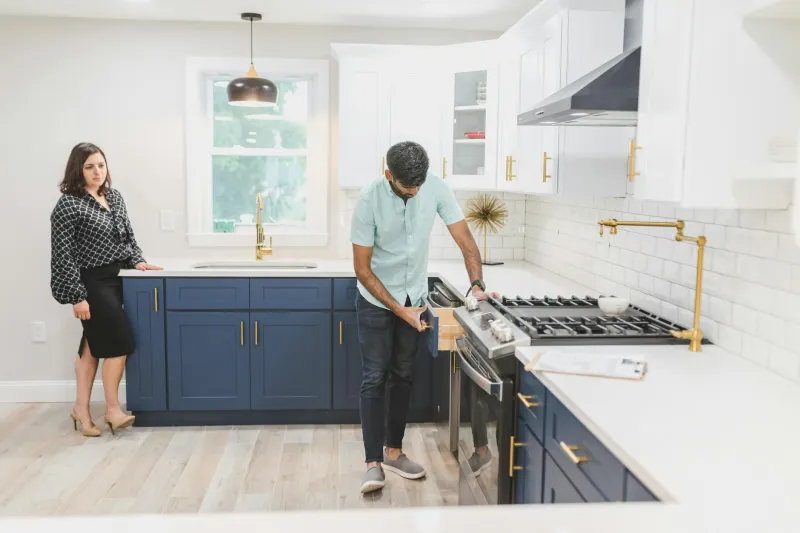
Consider a kitchen that receives $15,000 in cosmetic updates—new countertops, cabinet refacing, and appliances. The seller might price the home $25,000-30,000 higher based on these improvements. Buyers pay the full markup while getting renovations chosen for broad market appeal rather than their specific needs or preferences.
This markup becomes particularly painful when buyers discover they don't actually like the choices. That trendy gray paint might not suit your furniture. The "upgraded" fixtures might not match your style. The new flooring might be the wrong material for your lifestyle. You've paid a premium for someone else's taste, then face additional costs to make changes.
The Problems That Fresh Paint Hides
The most concerning aspect of move-in ready properties isn't what they include—it's what they conceal. Fresh paint and new fixtures can mask underlying issues that represent much larger future expenses.
A freshly painted basement might hide moisture problems. New flooring could cover subfloor damage. Updated kitchen cabinets might conceal plumbing issues behind the walls. Sellers focused on cosmetic improvements have strong incentives to make problems less visible rather than actually solving them.
Professional house flippers understand this dynamic and exploit it systematically. They purchase distressed properties, apply cosmetic fixes that photograph well, and resell quickly before hidden problems surface. Buyers pay move-in ready prices for homes with fundamental issues that will require expensive repairs within a few years.
When Visible Problems Are Actually Better
Homes that need obvious work often represent better long-term value, despite their intimidating appearance. When problems are visible, buyers can factor repair costs into their offers and negotiate accordingly. They can also choose contractors, materials, and timelines that match their budgets and preferences.
A house with dated but functional systems might serve buyers better than one with cheap cosmetic updates hiding deferred maintenance. The dated house allows buyers to prioritize improvements based on actual needs rather than someone else's marketing strategy.
Visible problems also provide negotiating leverage. Sellers of homes needing work typically price them below market value and expect buyer negotiations around repair costs. This transparency often results in better deals than the inflated pricing that comes with move-in ready marketing.
The True Cost of Convenience
The convenience of move-in ready properties comes with opportunity costs that extend beyond the initial purchase premium. Buyers miss the chance to customize improvements to their specific needs, build relationships with reliable contractors, and learn about their home's systems through hands-on involvement.
More significantly, they often end up paying twice—once for the seller's improvements and again when they inevitably want to make changes. The "convenience" of avoiding renovation becomes the inconvenience of undoing someone else's work.
Making Smarter Move-In Ready Decisions
If you're considering a move-in ready property, the key is understanding exactly what you're paying for and whether it aligns with your actual needs. Get detailed information about what work was done, when it was completed, and what systems weren't addressed.
Pay particular attention to the age and condition of major systems that weren't part of the updates. A move-in ready home with 20-year-old HVAC and electrical systems might create expensive surprises despite its fresh appearance.
Consider whether the improvements match your long-term plans. If you're likely to renovate anyway, paying move-in ready premiums might not make financial sense. Sometimes the "inconvenience" of buying a fixer-upper results in a better home at a lower total cost.
The Real Ready
The best move-in ready properties are those where the improvements were made for the right reasons—functionality, efficiency, and long-term durability rather than just sale appeal. These are typically homes where owners lived with their improvements for several years before selling, proving that the work was done thoughtfully rather than hastily.
Look for properties where the updates include both visible and invisible improvements: new flooring and updated electrical, fresh paint and improved insulation, modern fixtures and efficient HVAC systems. When sellers invest in comprehensive improvements rather than just cosmetic ones, the move-in ready premium might actually deliver value.
Ultimately, the best "move-in ready" home might be one that's ready for you to move in and make it your own, rather than one that's simply ready to photograph well.