Home Appraisals Protect Banks, Not Buyers—Here's the Real Story

Home Appraisals Protect Banks, Not Buyers—Here's the Real Story
When your mortgage lender orders an appraisal, it feels like a safety net. Finally, an independent professional will tell you whether that $450,000 house is actually worth what you're paying. You imagine the appraiser as your advocate—someone who'll catch overpricing and save you from a costly mistake.
This comforting assumption misses a crucial detail: the appraiser isn't working for you. They're working for the bank, and their primary job is protecting the lender's collateral, not your financial wellbeing.
The Appraisal's True Purpose
Appraisals exist because banks learned expensive lessons during previous housing crashes. When borrowers default, lenders need to sell the property to recover their money. The appraisal ensures the loan amount doesn't exceed the home's market value by more than the down payment buffer.
This makes perfect sense from the bank's perspective. If you put 20% down on a $400,000 house, the bank loans $320,000. As long as the property is worth at least $320,000, the lender can recover their money even in a foreclosure scenario.
Notice what this calculation doesn't include: whether $400,000 is a good deal for you. The appraisal process doesn't care if you're overpaying by $50,000, as long as the inflated price still exceeds the loan amount.
Why Appraisals Almost Always Match Sale Prices
Here's a pattern every real estate agent knows but few buyers realize: appraisals come in at the agreed sale price roughly 95% of the time. This isn't because buyers are exceptionally good at pricing homes—it's because the system is designed to make deals work, not to provide objective valuations.
Appraisers face subtle but powerful pressures to hit the target number. Lenders want loans to close because that's how they make money. Real estate agents want deals to complete because that's how they earn commissions. Even buyers often pressure appraisers indirectly—nobody wants to hear they're overpaying after falling in love with a house.
The appraiser's business depends on repeat customers, and those customers are primarily lenders and mortgage brokers. An appraiser who consistently "kills deals" with low valuations won't stay busy long. The incentive structure rewards flexibility over accuracy.
The Comparable Sales Shell Game
Appraisers determine value by analyzing "comparable sales"—recently sold properties with similar characteristics. This sounds objective, but the process involves significant subjective judgment about which properties truly compare and how to adjust for differences.
In rising markets, appraisers can cherry-pick recent sales that support higher valuations while downplaying older sales at lower prices. They can adjust extensively for differences in condition, location, or features, often in ways that support the desired outcome.
Consider two houses that sold within six months: one for $380,000 and another for $420,000. An appraiser evaluating a $400,000 contract can emphasize similarities to the higher sale while explaining away the lower one. Maybe the cheaper house had deferred maintenance, or the more expensive one had premium finishes.
These adjustments aren't necessarily wrong, but they demonstrate how appraisers can construct narratives that support predetermined conclusions.
When Appraisals Do Come in Low
The rare low appraisal usually signals serious market dysfunction rather than appraiser independence. In rapidly rising markets, recent sales data might lag current pricing trends. In declining markets, appraisers might finally acknowledge that recent sales were inflated.
Low appraisals also occur when sale prices are obviously disconnected from market reality—typically in bidding wars where emotion overrides financial sense. But even then, appraisers often find creative ways to support inflated prices through generous adjustments and selective comparable selection.
When appraisals do come in low, the standard response isn't celebration that you've been saved from overpaying. Instead, buyers typically negotiate with sellers to split the difference, request a second appraisal, or challenge the first appraiser's methodology.
The Reform That Didn't Reform Enough
After the 2008 housing crisis, regulators implemented the Home Valuation Code of Conduct (HVCC) to increase appraiser independence. The new rules prevented lenders from directly selecting appraisers and prohibited pressure tactics to influence valuations.
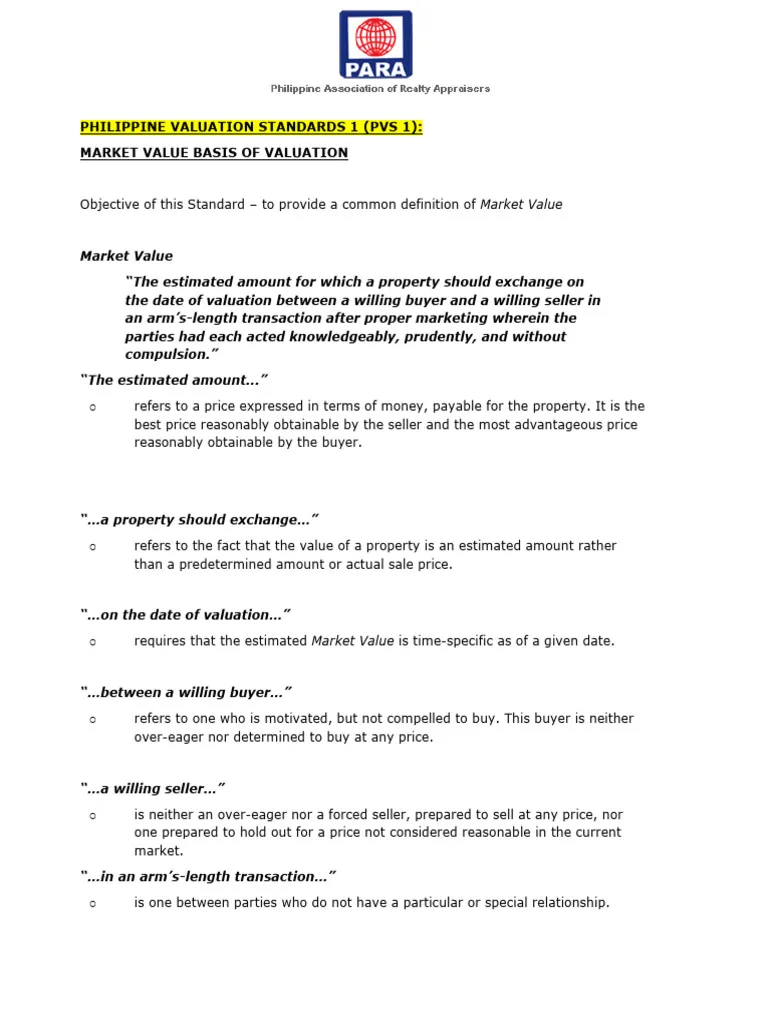 Photo: Home Valuation Code of Conduct, via imgv2-2-f.scribdassets.com
These reforms helped, but they didn't eliminate the fundamental conflict of interest. Appraisers still depend on lender business, and lenders still want loans to close. The pressure became more subtle but didn't disappear entirely.
Appraisal Management Companies (AMCs) now serve as intermediaries, theoretically creating independence. In practice, AMCs often select appraisers based on speed and deal completion rates rather than accuracy. The system got more complex without becoming significantly more objective.
What Buyers Can Actually Do
Understanding the appraisal's limitations doesn't mean ignoring it entirely, but it does mean not relying on it as your only protection against overpaying. Here are more reliable strategies:
Do your own market analysis. Study recent sales in the neighborhood yourself. Look at price per square foot trends, days on market, and selling price versus listing price ratios. This homework takes time but provides insights no appraisal will offer.
Hire an independent inspector. Unlike appraisers, home inspectors work directly for you and have no incentive to make deals work. A thorough inspection can reveal costly issues that justify price reductions.
Consider a pre-purchase appraisal. Some buyers hire their own appraiser before making offers. This costs $400-600 but provides genuinely independent valuation without pressure to hit specific numbers.
Factor in total cost of ownership. Even if a house appraises for your offer price, consider whether you can afford the mortgage, taxes, insurance, and maintenance. Appraisals don't evaluate affordability—only market value.
The Bigger Picture
The appraisal system reflects a broader truth about real estate transactions: most participants have incentives that don't perfectly align with buyer interests. Lenders want to make loans, agents want to close deals, and appraisers want repeat business.
This doesn't make these professionals dishonest—they're operating within a system that rewards certain behaviors. But buyers who understand these dynamics can make better decisions than those who assume everyone is looking out for their best interests.
The next time you're waiting for an appraisal, remember what it's actually designed to do. It's protecting your lender's investment, not necessarily yours. For genuine protection against overpaying, you'll need to do the detective work yourself.