The American Dream of More Square Footage Was Never Actually About Happiness
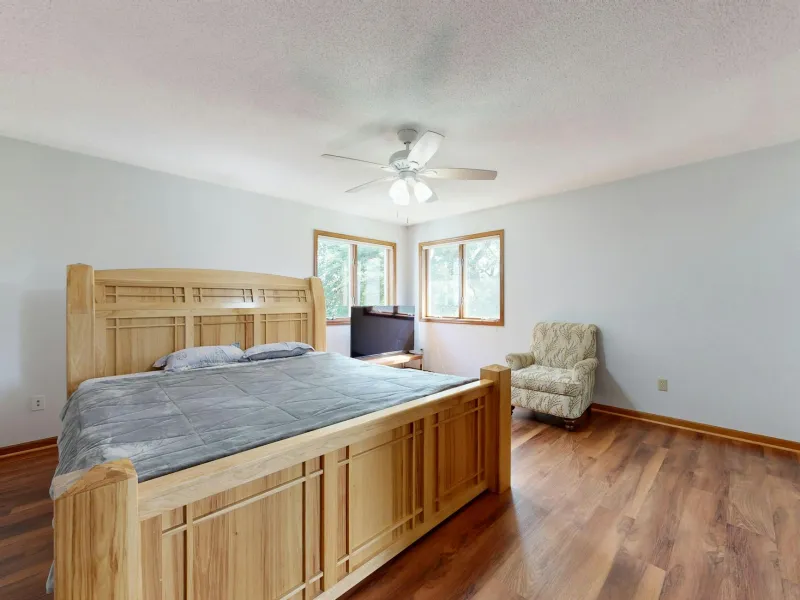
Walk through any American suburb and you'll see it everywhere: the relentless pursuit of square footage. Three-car garages, bonus rooms, walk-in closets the size of bedrooms. We've been conditioned to believe that when it comes to homes, bigger automatically means better.
But here's what might surprise you: nobody ever really tested whether this assumption is true.
The Post-War Promise That Became Gospel
The "bigger is better" housing philosophy didn't emerge from careful study of human wellbeing. It came from a very specific moment in American history. After World War II, the government needed to stimulate the economy and accommodate returning veterans. Suburban developments offered a solution: mass-produced homes on cheap land outside cities.
Developers like William Levitt discovered they could sell the promise of space alongside the house itself. Marketing materials from the 1950s didn't just advertise homes—they sold a lifestyle where extra bedrooms meant family success and larger lots represented achieving the American Dream.
This wasn't based on research about what makes families happy. It was a business model that worked.
What the Happiness Research Actually Shows
When researchers finally started studying housing satisfaction in the 1980s and 90s, they found something unexpected. Beyond meeting basic needs for space and privacy, additional square footage showed diminishing returns on happiness.
A landmark study by UCLA's Center for Everyday Lives followed 32 families through their daily routines in their homes. The researchers discovered that families in larger houses often used less than half their available space regularly. Meanwhile, the stress of maintaining, heating, and paying for unused rooms created ongoing anxiety.
More revealing: when researchers compared life satisfaction surveys across different housing sizes, they found that people in modestly-sized homes reported higher satisfaction with their living situations than those in oversized houses—once you controlled for income levels.
The Hidden Costs Nobody Talks About
The pursuit of maximum square footage creates costs that go far beyond the mortgage payment. Larger homes typically mean longer commutes, as buyers stretch their budgets by moving farther from city centers where land is cheaper.
Those longer commutes extract a measurable toll on wellbeing. Research consistently shows that every additional minute of daily commuting correlates with decreased life satisfaction. A person spending an extra 20 minutes each way getting to work—common when chasing affordable space in distant suburbs—experiences stress levels equivalent to a significant pay cut.
Then there's the maintenance burden. A 3,000-square-foot house doesn't just cost more to heat and cool; it demands more time for cleaning, repairs, and upkeep. Many homeowners find themselves spending weekends maintaining spaces they rarely use.
Why We Keep Believing Bigger Is Better
If research suggests larger homes don't deliver proportional happiness, why does the belief persist so strongly?
Part of the answer lies in how we shop for homes. Real estate marketing emphasizes square footage as a key metric, training buyers to compare homes primarily by size. Phrases like "spacious family room" and "oversized master suite" dominate listings, reinforcing the idea that more space equals more value.
Social signaling plays a role too. In American culture, home size has become a visible marker of success. A larger house signals financial achievement to neighbors, colleagues, and extended family in ways that other forms of wealth—like savings accounts or investment portfolios—don't.
There's also what psychologists call the "focusing illusion." When people imagine living in a bigger house, they focus intensely on the benefits: more storage, space for entertaining, room for hobbies. They don't equally consider the drawbacks: higher utility bills, more time spent cleaning, longer commutes.
What Actually Predicts Housing Satisfaction
Researchers have identified factors that correlate much more strongly with housing satisfaction than square footage. Location matters enormously—not just for commute times, but for walkability, community connections, and access to amenities.
The quality of space often trumps quantity. Homes with good natural light, efficient layouts, and outdoor access score higher on satisfaction surveys than larger homes without these features. A well-designed 1,500-square-foot house often feels more spacious and livable than a poorly planned 2,500-square-foot house.
Financial comfort plays a huge role too. People who stretch their budgets for maximum square footage often report higher stress levels, even when they love their homes. Those who buy conservatively relative to their income—choosing smaller homes they can easily afford—report greater satisfaction with their housing decisions.
The Real Measure of Home Success
The next time you're house hunting or questioning your current living situation, consider asking different questions. Instead of "How much space can I afford?" try "What kind of daily life do I want this home to support?"
Think about how you actually live, not how you imagine you might live with more space. Consider the trade-offs: Would you rather have an extra bedroom you use twice a year, or a shorter commute you experience twice a day?
The American equation of square footage with life satisfaction was never tested before it became conventional wisdom. Now that we have data on what actually makes people happy in their homes, maybe it's time to question whether bigger really is better—or if we've been measuring success by the wrong metric all along.